
Equity Management • Cap Table
Build and manage your cap table
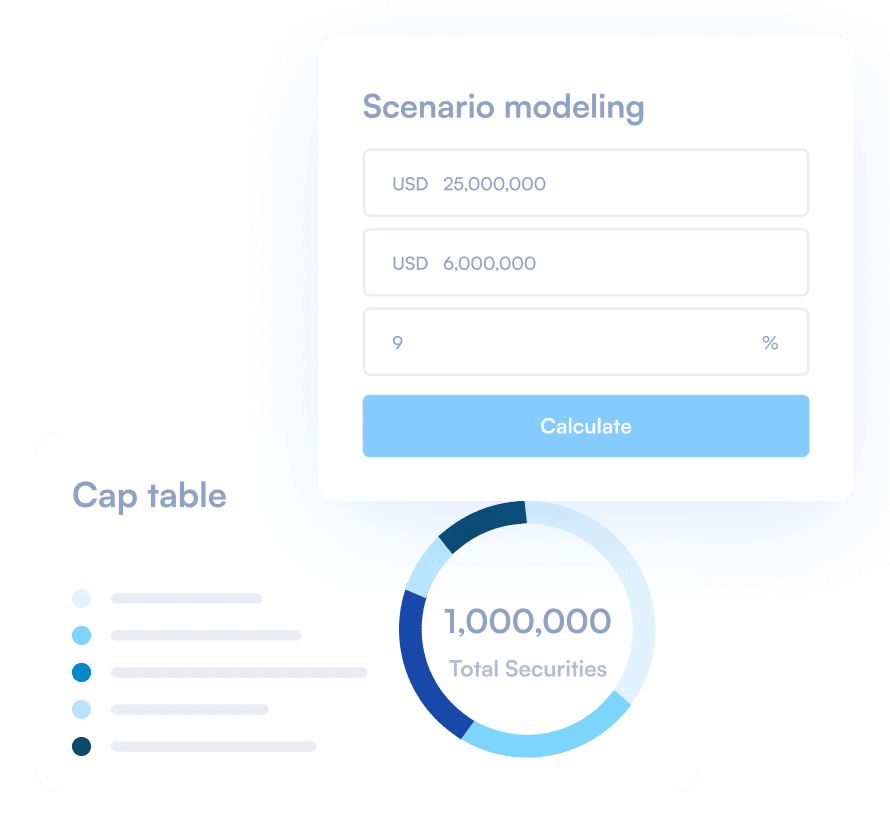
Visualize, track and model your cap table data like never before
Clara’s cap table is like no other
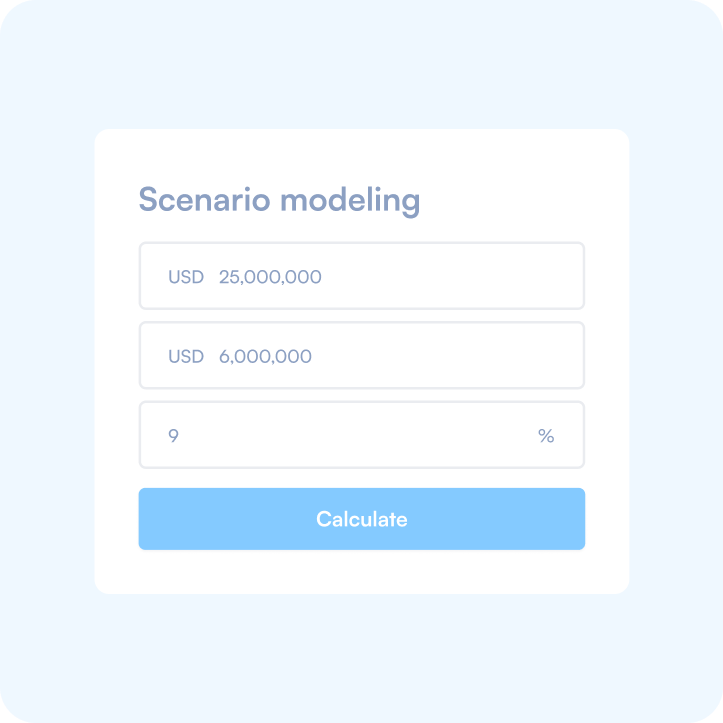
Scenario modeling
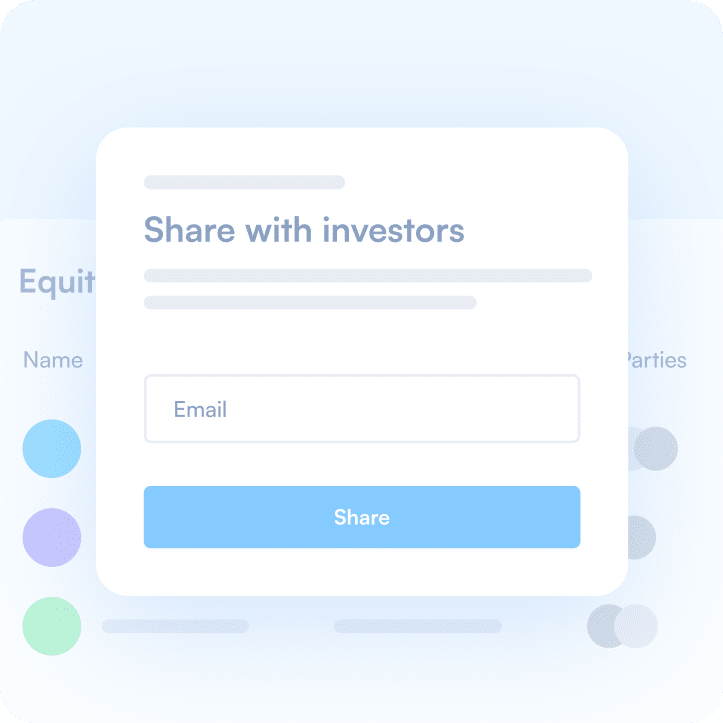
Data sharing & transparency
Registered agent integration

Clara is the only cap table provider we found that had emerging market startups in mind.
– Jessica Anuna, CEO and Co-Founder at Klasha
Trusted by leading companies, investors and lawyers around the world


















Frequently asked questions
A cap table (or “capitalization table” to give it its full name) is a summary of your company’s equity structure and who owns that equity. It sets out the number and class of shares, options, convertibles and warrants that the company has issued and to whom they have been issued. It shows the percentage of the company owned by the shareholder, option holders, convertible holders and warrant holders and how their ownership vests over time.
Every company needs a cap table, so you understand and keep track of the ownership structure of your company. When you are raising a new investment, it will help you to decide the important matters you will need to address, such as relating to your valuation, how many shares to issue and the potential for dilution of ownership.
Your cap table should be updated every time there is an “equity event”. That could mean a share transfer, issuance of new shares, granting of options, vesting or exercise of options, issuing convertibles (e.g. SAFEs) or converting convertibles into shares.
Yes. Every time you do an equity funding round, your cap table should be updated to capture that information. Every round will show on your cap table through the round’s share class (e.g. your first round may show Series A Preferred Shares on your cap table and tour second round Series B Preferred Shares).
Yes. Your cap table will show the ownership percentage, voting percentage and fully diluted percentage (i.e. assuming all options are eventually issued). You can even see your percentages based on hypothetical future equity funding scenarios using our scenario modelling tool, which will include the conversion of any convertibles you have issued.
Yes. Your cap table should include all classes of shares that are issued.
The Clara cap table automatically tracks all vesting schedules, sends you reminders and allows for one click exercise and conversion of vested options into issued shares.
Your cap table data is our best kept secret – get started today
Resources & Insights
Stories, updates and resources

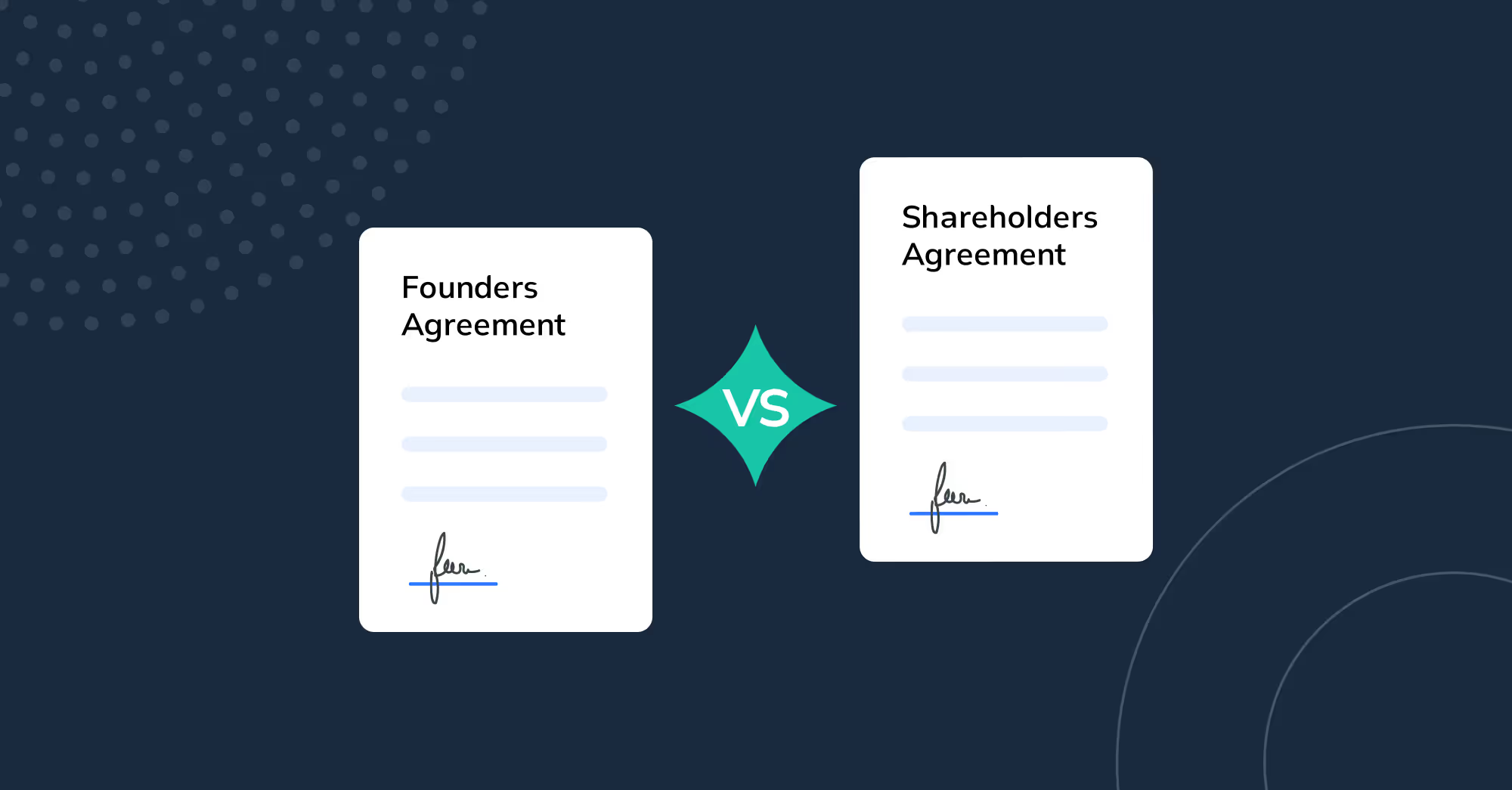
Founders Agreement vs Shareholders Agreement
The key elements of both Founders Agreements and Shareholders Agreements may vary depending on the specific circumstances and needs of the company. There might be overlaps between the two documents, but the difference can be found in the main elements of each.


Binance uses Clara to incorporate and manage ADGM entities. The team at Clara are extremely efficient and go the extra mile to ensure we always have a smooth experience and meet our deadlines. Top-notch service!


Starting a company is hard enough, but managing legal processes shouldn’t be. With Clara’s dedicated accelerator onboarding solution, companies can get the support and infrastructure they need to efficiently and professionally complete their legal due diligence and finalize an investment.


Clara is a one-stop shop for everything equity related. All our data is safe and securely stored and accurately recorded. And our investors love having direct access. It has saved us countless hours and kept our cap table mistake free.


We spend a lot of time educating founders on basic legal concepts: what they need to do for us to invest in them. Clara automates these functions. As Clara’s first institutional investor, we knew intuitively from inception, this company will be a game changer.


Founders often struggle with managing their legal function due to lack of expertise and resources. And we’ve seen poor legal structures create hurdles to our investing in otherwise healthy startups. Investors like ourselves love that Clara gives founders the tools they need to establish, grow and scale their startups from day one on a best-practice basis.

Clara Money
What are you waiting for?